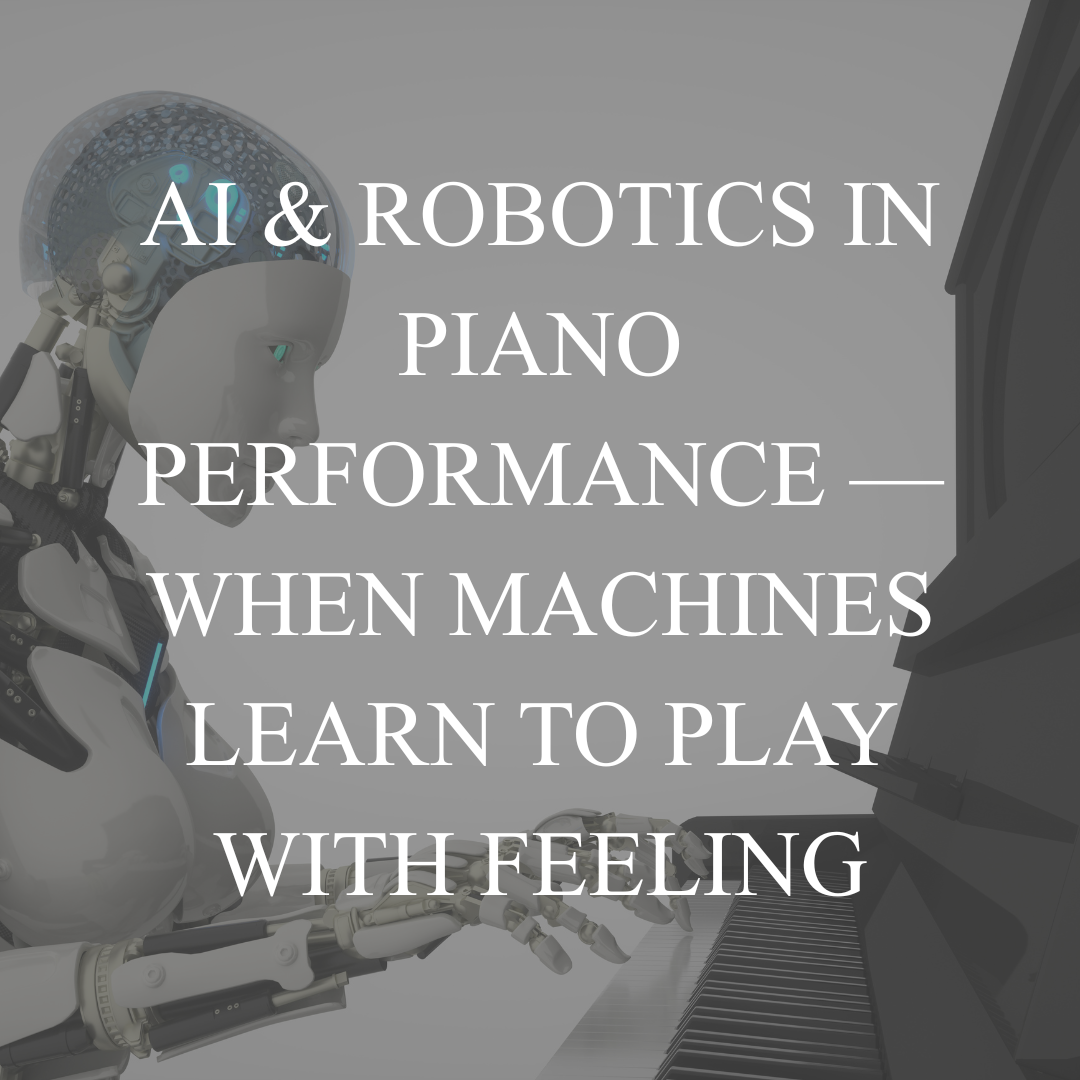
In 2025, one of the most fascinating developments in piano technology is happening at the intersection of artificial intelligence, robotics, and musical expression. A research team recently introduced PANDORA, a diffusion-based policy learning framework that enables robotic hands to play piano pieces with precision and expressive nuance. The system uses language models to measure stylistic quality and musicality, blending human emotion with algorithmic accuracy. arXiv
Meanwhile, in the generative AI sphere, Etude (a three-stage system) has made strides in converting pop songs into convincing piano covers, preserving structure, rhythm, and expressive dynamics. arXiv
These advances raise questions: Will a robot ever replace a human pianist? Can we partner with machines rather than compete? For Northwest Pianos, it means being ready for a future where performance tools are partly automated. We’re keeping tabs on these technologies and thinking of ways to integrate AI tools into lessons, demo experiences, or interactive shows.

It's never been a better time to learn the piano. Whether you're a complete beginner, a parent considering lessons for your child, or an adult who always meant to pick it up, here are ten compelling reasons why learning piano is one of the best decisions you can make — backed by research and decades of music education evidence.

Shopping for a digital piano in 2026 can feel overwhelming. The market is flooded with options across every price point, and the technical specifications — weighted keys, polyphony, touch sensitivity, sound engines — can make it hard to know where to start. This guide cuts through the noise and gives you the key things to look for when choosing a digital piano, whether you're buying for yourself or for a child just starting out.

Learning piano used to mean booking a weekly lesson, sitting down with a teacher, and slowly working through a method book. That still works — but in 2026, an entirely new layer of learning has arrived, and it's powered by artificial intelligence.